

 See My Latest Article on HelloNation
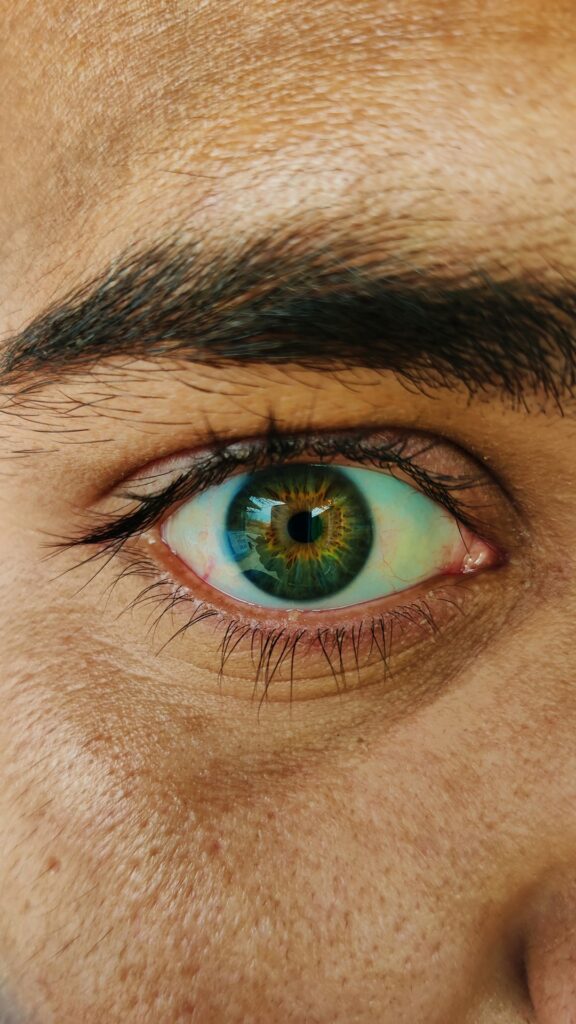
Contact lenses are generally safe when they are correctly fitted, used as directed, and cared for with clean hands and fresh disinfecting solution. They can damage the eyes, however, when wearers sleep in them, expose them to water, use them beyond the replacement schedule, or ignore symptoms such as pain, redness, or blurred vision.
The most serious problems are infections of the cornea, the clear front surface of the eye. Some infections progress quickly and can threaten vision.
Can contact lenses permanently damage your eyes?
Yes, although serious permanent damage is uncommon when lenses are prescribed and used properly. Problems can include corneal scratches, inflammation, oxygen deprivation, severe dryness, corneal ulcers, and microbial keratitis.
A corneal ulcer is an open sore on the cornea, usually caused by an infection. If treatment is delayed, scarring may affect vision. In severe cases, an infection can lead to permanent vision loss or require intensive treatment.
Contact lenses do not automatically harm the eyes. The main concern is that a lens rests directly on the cornea and can trap bacteria, fungi, or other organisms against its surface. A lens that fits poorly, stays in too long, or is handled with contaminated hands can increase that risk.
Which contact lens habits are most dangerous?
Sleeping in contact lenses is one of the riskiest common habits. During sleep, the eyes receive less oxygen and are less able to clear debris and germs. Even lenses approved for overnight wear carry more infection risk than lenses removed before sleep.
Other habits that can cause trouble include:
- Showering, swimming, or using a hot tub while wearing lenses
- Rinsing lenses or storing them in tap, bottled, distilled, or lake water
- Using saliva to moisten a dry lens
- Reusing old solution or adding fresh solution to solution already in the case
- Wearing lenses longer than the prescribed replacement schedule
- Handling lenses without washing and drying the hands
- Sharing lenses, cases, or eye makeup
- Continuing to wear a lens that feels painful or unusually uncomfortable
- Buying decorative lenses without an examination and prescription
Water exposure deserves special attention for residents who spend time around pools, lakes, hot tubs, or outdoor recreation. Water can contain organisms that are harmless when swallowed but dangerous when trapped between a contact lens and the cornea.
Can contact lenses cause dry eyes or redness?
Yes. Contact lenses can contribute to dryness, burning, fluctuating vision, and a gritty sensation. The problem may be more noticeable in winter, when heated indoor air lowers humidity, or during windy weather when outdoor air increases tear evaporation.
Long periods of screen use can also make symptoms worse because people tend to blink less while reading, driving, gaming, or working at a computer. A lens that becomes dry may stick to the eye, collect deposits, or cause small surface injuries when removed.
Temporary dryness is not always an emergency, but repeated discomfort should not be treated as something to simply tolerate. The lens type, wearing time, cleaning routine, tear film, medications, eyelid health, and fit may all need to be reviewed.
What symptoms mean contact lenses should be removed immediately?
Remove the lenses as soon as possible if the eyes become painful, red, unusually watery, light-sensitive, swollen, or blurry. Discharge, a strong gritty feeling, or worsening discomfort after removal also deserves prompt attention.
Urgent eye evaluation is especially important for:
- Moderate or severe eye pain
- Sudden or worsening blurred vision
- Sensitivity to light
- A white or gray spot on the cornea
- Significant redness that does not improve after removing the lens
- Pus-like discharge
- Symptoms that continue or worsen after the lens is removed

Do not put the lens back in to “check” whether the eye feels better. Do not use leftover prescription drops or someone else’s medication. If possible, keep the lens and its case rather than throwing them away, because they may help identify the cause of an infection.
How should contact lenses be cleaned and stored?
Safe care begins with handwashing. Wash hands with soap and water, dry them completely with a clean towel, and handle the lenses only after the hands are dry.
Use the disinfecting solution recommended for the lens system. Multipurpose solution should be used as directed, and hydrogen peroxide systems require the correct neutralizing case and full neutralization time. Saline is not a substitute for disinfecting solution.
Each time lenses are removed, follow the cleaning instructions rather than merely placing them in solution. Empty the case after use, rinse it with contact lens solution when directed, allow it to air-dry, and replace the case at least every three months or according to the instructions provided.
Fresh solution should be used every time. Never “top off” old solution, and never use water or homemade saline.
Does the replacement schedule really matter?
Yes. Disposable lenses are designed to be replaced on a specific schedule because deposits, surface damage, and contamination accumulate over time. A lens may look clear while still irritating the eye or carrying germs.
Replacing a lens early is also sensible if it is torn, dried out, visibly dirty, or uncomfortable after cleaning. Carrying backup glasses is useful for travel, long workdays, winter driving, and situations where irritation develops unexpectedly.
A current prescription and regular eye examinations help identify changes in fit, dryness, corneal health, and overall vision. Children and teenagers may need extra guidance because remembering replacement schedules and hygiene steps can be challenging.
Are colored or decorative lenses safer?
Decorative lenses are not automatically safer because they do not correct vision. They are still medical devices that must be properly fitted and prescribed.
A poor fit can scratch the cornea, restrict oxygen, cause inflammation, or allow the lens to move unpredictably. Lenses obtained without a prescription may not be manufactured or sized safely. This includes costume and colored lenses used for parties, performances, or seasonal events.
The same hygiene rules apply to every lens type: wash hands, avoid water exposure, follow the wearing schedule, and stop wearing the lens if symptoms develop.
How can local seasonal conditions affect lens comfort?
Cold air, wind, indoor heating, and low humidity can make contact lenses feel drier during the colder months. Dust and airborne particles can also become trapped beneath a lens, particularly during outdoor work, home renovation, yard maintenance, or cleaning.
Protective eyewear can help reduce exposure to dust and debris, but regular glasses may be safer than contacts during particularly dusty activities. Sunglasses can reduce wind exposure outdoors, while planned breaks from lens wear may help when the eyes feel dry.
Contact lenses should provide clear, comfortable vision. Pain, persistent redness, light sensitivity, or reduced vision is not a normal adjustment period and should be treated as a warning sign rather than covered with rewetting drops alone.