

 See My Latest Article on HelloNation
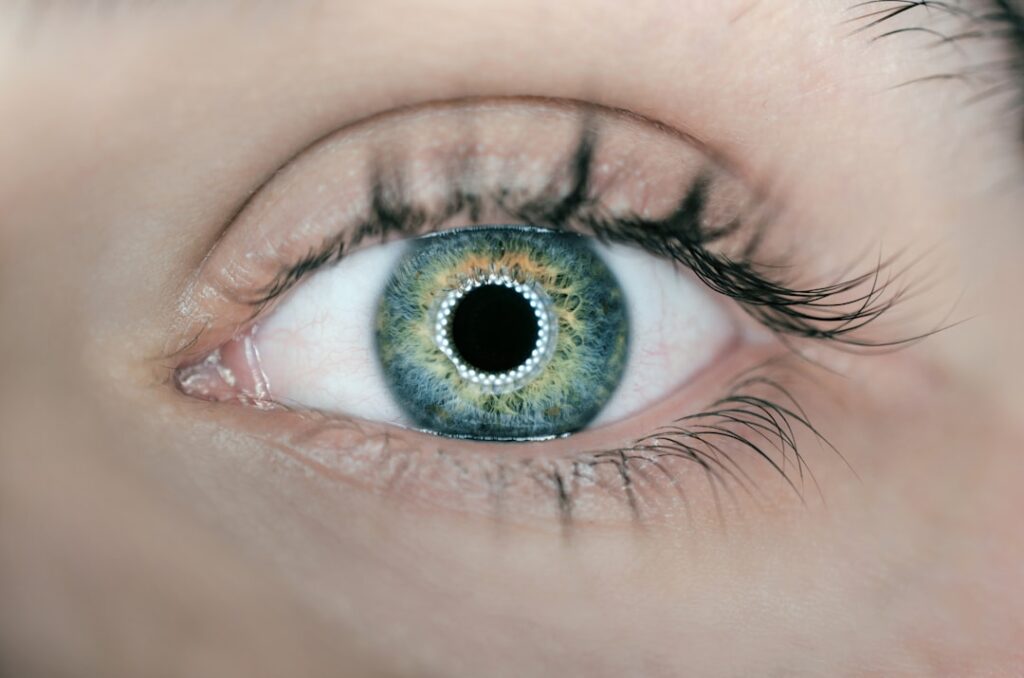
What Is LASIK Surgery and How Does It Work?
LASIK is a type of laser eye surgery designed to reduce dependence on glasses or contact lenses by reshaping the cornea. The procedure uses a specialized laser to adjust the way light enters the eye, improving common vision problems like nearsightedness, farsightedness, and astigmatism.
During the procedure, an eye surgeon creates a thin flap in the cornea and uses a laser to reshape its underlying layers. The flap is then repositioned. Most people are surprised by how quick the procedure is—often lasting only 15–20 minutes for both eyes. Numbing drops keep discomfort to a minimum, and many patients report only mild scratchiness afterward.
Who Is a Good Candidate for LASIK in the Racine Community?
LASIK may be suitable for many adults, but it isn’t for everyone. Residents in Racine who are at least 18 years old, have stable vision for at least a year, and generally healthy eyes (no active infections, severe dry eye, or corneal disease) are more likely to benefit. Those with certain medical conditions—like autoimmune disorders or poorly controlled diabetes—may need to consider other options.
Local context matters: seasonal allergies common in the area or dry winter air can affect eye health. Someone whose vision fluctuates because of these factors might be encouraged to wait until things stabilize. Additionally, individuals with very thin or irregularly shaped corneas are usually not candidates, as the structure of the eye needs to be suitable for safe laser reshaping.
What Happens Before, During, and After LASIK Surgery?
The process usually starts with a comprehensive eye exam. This exam checks corneal thickness, prescription stability, and overall eye health. Candidates should expect to stop wearing contact lenses for at least a few days to weeks before the evaluation, as contacts can temporarily alter the shape of the cornea.
On the day of the procedure:
- You’ll need a ride home, as vision will be blurry immediately after.
- Numbing drops prevent most pain, but mild pressure or a short period of dimmed vision is common.
- The total time at the surgical center is often around two hours, though the laser portion takes just a few minutes.
After surgery, typical advice for Racine residents includes:
- Resting at home and avoiding strenuous activities for a day or two.
- Using prescription eye drops to reduce the risk of infection and promote healing.
- Wearing protective eye shields while sleeping for the first several nights.
Eyes are often sensitive to bright sunlight and wind, especially during winter months or blowing conditions near Lake Michigan, so sunglasses and avoiding direct exposure are helpful. Most people see improvement within 24–48 hours, though full healing and stabilization take a few weeks.
What Results Can People Expect, and Are There Risks?
LASIK delivers rapid results for many people. Most achieve 20/20 vision or better, but outcomes depend on each person’s eyes. Glasses or contacts may still be needed for certain activities, especially reading as people age.
Like any surgical procedure, LASIK has risks:
- Dry eye: More common temporarily, especially for those who already struggle with dryness in Racine’s winter air or from furnace use.
- Glare, halos, or double vision at night, especially in the weeks after surgery.
- Under- or over-correction: In rare cases, a second enhancement procedure may be needed.
- Serious complications such as infection or long-term corneal problems are rare but possible.

Those who work outdoors, drive at night frequently (such as during dark winter commutes), or are involved in contact sports may want to discuss unique risks and expectations with an eye care professional.
What Are Common Misconceptions About LASIK?
Some believe LASIK is a permanent fix for all vision problems. In reality, while the changes to the cornea are lasting, normal age-related changes to the lens inside the eye can still occur. This means that, like others in Racine, LASIK patients often need reading glasses later in life—this is normal and not a sign the procedure "wore off."
Another misconception is that everyone with glasses is a candidate. Thin corneas, significant dry eye, and unstable prescriptions can exclude some people. Cost and insurance coverage are other areas of confusion. Because LASIK is usually considered elective, it is generally not covered by insurance.
How Should Residents Make an Informed Choice About LASIK?
Anyone considering LASIK should weigh the benefits and risks based on their own vision goals, health conditions, and lifestyle factors. In climates like Racine’s, with cold winters, windy springs, and seasonal allergen exposures, it’s helpful to think about how the local environment affects your eyes. Some people opt to postpone surgery if their eyes are especially dry or irritated.
Other practical considerations for the area include:
- Work requirements: Many in manufacturing or trades need clear vision without glasses.
- Activity level: Hobbies like watersports on Lake Michigan or cycling along the Root River Trail may influence the desire to go glasses-free.
- Family history: Genetic eye conditions or early cataracts could impact suitability and timeline for surgery.
A comprehensive consultation with an eye care expert helps to clarify whether LASIK is likely to meet your expectations and aligns with your personal circumstances and the community’s lifestyle.