

 See My Latest Article on HelloNation
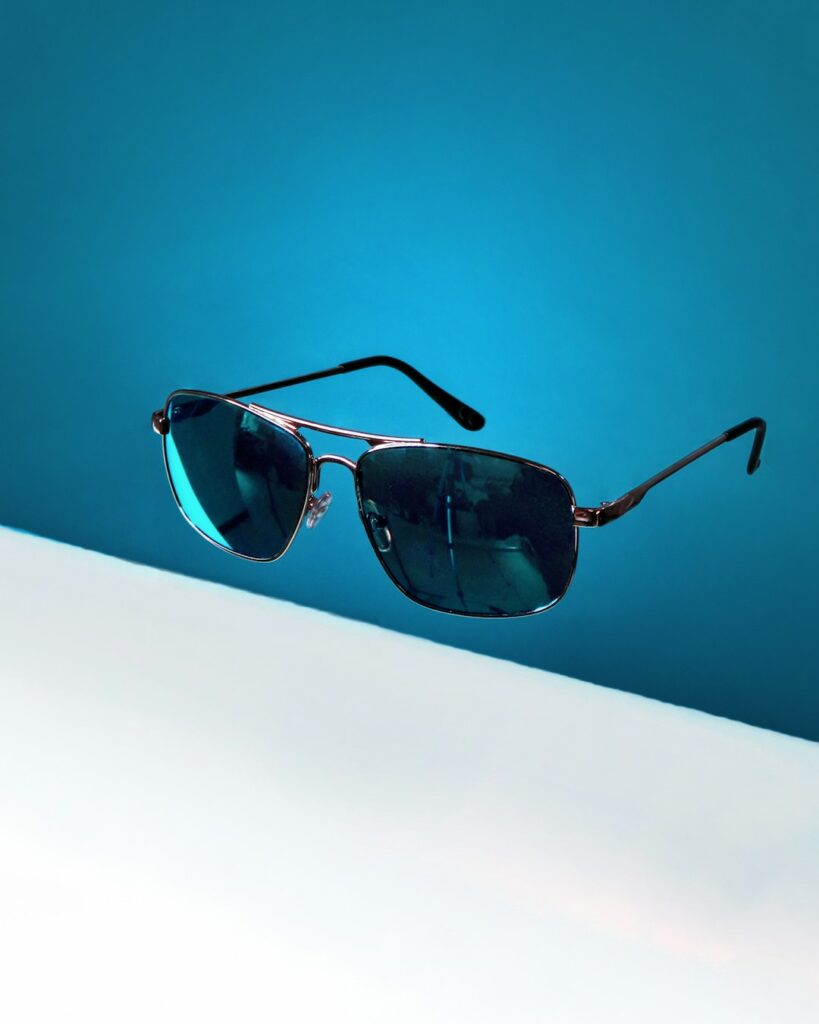
Choosing sunglasses for eye protection is less about darkness, price, or appearance and more about verified ultraviolet protection, a comfortable fit, and the demands of the activity. For residents in Racine, WI, sunglasses can be useful throughout the year, including during bright winter conditions, summer trips near open water, and ordinary outdoor tasks.
What should sunglasses protect against?
The most important feature is protection from ultraviolet, or UV, radiation. Choose sunglasses labeled “100% UV protection,” “99–100% UVA and UVB protection,” or “UV400.” These labels indicate that the lenses are designed to block nearly all ultraviolet rays that reach the eyes.
UV exposure is not limited to hot or cloudless days. UV radiation can pass through clouds, and reflected light from snow, water, pavement, and sand can increase exposure. In a community with changing seasons, glare from winter snow and bright summer surfaces may make eye protection useful well beyond beach or vacation settings.
Long-term UV exposure is associated with several eye concerns, including cataracts, damage to the delicate tissues around the eyes, and growths on the eye’s surface. Short-term exposure to intense reflected light can also irritate the cornea, sometimes causing a painful condition commonly called snow blindness.
Does a darker lens provide better protection?
No. Lens darkness and UV protection are separate features.
A very dark lens without adequate UV protection can be less safe than a lighter lens with a verified UV rating. Dark lenses reduce visible light, which may cause the pupils to open wider. If UV rays still pass through, more ultraviolet radiation may enter the eye.
Gray, brown, amber, green, and other tints can all be appropriate when the lenses also provide full UV protection. Read the label rather than judging safety by color. If the label is missing or unclear, the sunglasses should not be assumed to provide adequate UV protection.
Price is not a reliable guide either. Expensive sunglasses are not automatically safer, and inexpensive sunglasses can provide strong UV protection when properly labeled.
Are polarized lenses necessary?
Polarized lenses are not required for UV protection, but they can reduce glare. They are particularly helpful around reflective surfaces such as snow, water, wet pavement, and light-colored roads.
For example, polarized lenses may make driving, walking near the shoreline, fishing, boating, or clearing snow more comfortable. They can reduce reflected glare that causes squinting and visual fatigue.
Polarization does not necessarily mean that a lens blocks UV rays. Check for both features:
- UV400 or 100% UVA and UVB protection
- Polarization, if glare reduction is desired
Some digital displays, vehicle dashboards, and phones may look darker or show rainbow-like patterns through polarized lenses. This is generally a visibility issue rather than a sign that the sunglasses are harmful.
What frame style offers the best protection?
A good frame should fit securely without pinching, sliding, or leaving large openings around the eyes. Sunglasses that cover more of the eye area usually reduce light entering from the sides, top, and bottom.
Wraparound or close-fitting frames may be helpful for outdoor activities, cycling, yardwork, walking in windy conditions, or spending extended time near reflective surfaces. They can also reduce exposure to dust, wind, and insects.
Large frames are not automatically better if they sit too far away from the face or allow light to enter around the edges. The most protective design is one that remains comfortable and properly positioned during normal movement.
A wide-brimmed hat adds another layer of protection by shading the eyes and the surrounding skin. It does not replace sunglasses, but the combination can reduce direct and reflected sunlight.
Which lenses are safest for children?
Children should wear sunglasses that clearly state their UV protection level. Toy sunglasses may be decorative without offering meaningful protection.
A child’s sunglasses should be comfortable, durable, and sized correctly. Frames that slide down the nose or are constantly removed are unlikely to provide consistent protection. Flexible materials may be practical for active children, but the lenses should still be free of cracks and significant scratches.
Children who participate in sports or activities involving flying objects need protective eyewear designed for impact resistance. Ordinary sunglasses are not a substitute for safety glasses, sports goggles, or face protection when an activity creates a risk of eye injury.
Do prescription glasses and contact lenses provide enough protection?
Prescription sunglasses can provide the same UV protection as nonprescription sunglasses when the lenses are made and labeled for that purpose. Clear prescription glasses may offer some UV filtering, but the level varies by lens material and coating. They should not be assumed to provide complete protection without confirmation.
Some contact lenses include UV-blocking properties. However, contact lenses do not cover all of the surrounding skin or the entire surface area exposed to sunlight. Sunglasses remain useful over contact lenses, even when the contacts include UV protection.

People who are sensitive to light, have had eye surgery, or use medications that increase light sensitivity may need more specialized guidance about lens color, coverage, or timing of outdoor exposure.
What lens color is best for driving and daily use?
For routine driving and general outdoor use, neutral gray or brown lenses are often comfortable because they reduce brightness without greatly changing the appearance of colors. Amber or yellow lenses may improve contrast in some low-light conditions, but they can also alter color perception and may not be suitable for every driving situation.
Sunglasses used for driving should not be so dark that they interfere with recognizing traffic signals, pedestrians, road markings, or changing light conditions. Avoid wearing dark sunglasses at night or in indoor spaces unless specifically directed for a medical reason.
A lens that is scratched, cloudy, warped, or visibly distorted can make vision less comfortable and may reduce the ability to see hazards clearly. Replace damaged sunglasses rather than relying on them for protection.
Can sunglasses prevent every type of eye injury?
No. Sunglasses are designed primarily for bright sunlight, UV exposure, and glare. They are not adequate protection from welding arcs, lasers, chemical splashes, power tools, flying fragments, or high-impact sports unless they are specifically rated for that hazard.
Use properly rated safety eyewear for home repairs, construction tasks, cutting, drilling, trimming, and other activities that may send debris toward the eyes. In some situations, side shields, goggles, or a full face shield may be necessary.
Seek prompt medical attention for sudden vision changes, severe eye pain, persistent light sensitivity, a chemical exposure, an object embedded in the eye, or an injury caused by high-speed debris. Sunglasses can reduce everyday exposure, but they cannot treat an eye injury or explain new symptoms.
A practical checklist before buying sunglasses
Look for:
- A clear statement of 99–100% UVA and UVB protection or UV400 protection
- A frame that fits securely and blocks light from multiple directions
- Lenses without warping, cracks, cloudiness, or major scratches
- Polarization when glare from snow, water, or pavement is a concern
- Appropriate impact-rated eyewear for sports, tools, or flying debris
- A comfortable design that can be worn consistently outdoors
The best sunglasses are the ones that provide verified UV protection, fit well, match the activity, and are worn whenever bright outdoor light reaches the eyes.