

 See My Latest Article on HelloNation
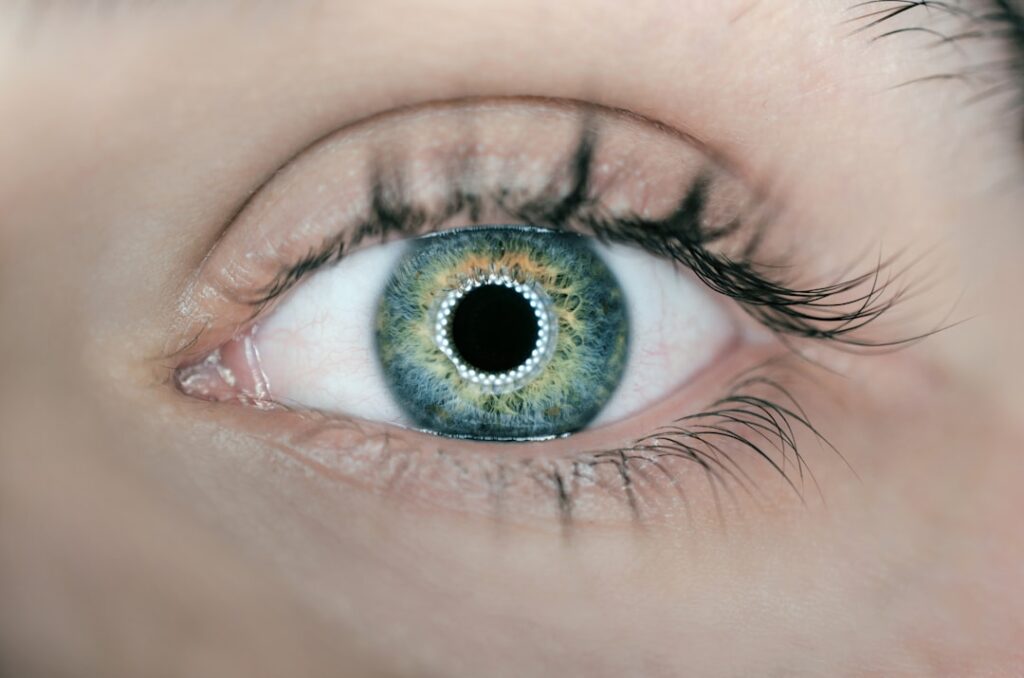
Are Floaters and Flashes Always a Cause for Concern?
Floaters and flashes can be common experiences, especially as people age, but they aren’t always harmless. For many local residents, floaters appear as tiny specks, cobwebs, or lines that drift across vision, while flashes look like brief flickers or lightning streaks seen even when eyes are closed. Sometimes these changes are part of the normal aging process, but in other cases, they may signal a more serious eye problem that needs prompt attention.
What Causes Floaters and Flashes?
Most floaters are tiny clumps or strands of the gel-like substance (vitreous) inside the eye. With age, this vitreous tends to liquefy and pull away from the retina, causing shadows that appear as floaters. Flashes happen when the vitreous tugs on the retina, creating a sensation of flickering lights.
Common causes include:
- Aging: Most people notice more floaters as they get older; these are usually related to normal changes in the eye’s vitreous gel.
- Posterior vitreous detachment (PVD): A frequent cause in adults over 50.
- Myopia (nearsightedness): People who are very nearsighted may develop floaters earlier.
- Eye injury or trauma: Blunt force to the eye can increase risk for sudden new floaters or flashes.
- Eye surgeries or inflammation: Procedures or medical conditions like uveitis sometimes contribute.
When Are Floaters and Flashes a Medical Emergency?
If someone suddenly experiences a shower of new floaters, persistent flashes, a dark curtain or shadow in their side vision, or noticeable vision loss, it can be a sign of retinal detachment. This condition is rare, but serious. Without rapid treatment, it can threaten permanent vision loss.
Local residents are more likely to notice floaters against the bright winter snow or summer sky common in the area or after spending time outdoors. Some may dismiss these changes, mistaking them for harmless glare or signs of fatigue. However, sudden new symptoms should never be ignored.
Living with Benign Floaters
For most people, floaters are simply an inconvenience. Over time, the brain often learns to ignore them, especially if they drift out of central vision. Floaters are especially noticeable on sunny days, against pale walls, or during outdoor activities around the city’s lakes and parks.
Strategies that can help:
- Moving the eyes up and down or side to side to “move” floaters out of central view
- Taking breaks from screens or intense visual tasks
- Wearing sunglasses to reduce brightness and glare, which can make floaters more visible
Unless floaters suddenly increase or are accompanied by flashes, pain, or visual field loss, they rarely require urgent medical care.
Are Certain People in the City More at Risk?
Some individuals are more likely to experience floaters and flashes:
- Adults over age 50
- Individuals with severe nearsightedness
- Those with a history of eye injury
- People who have had cataract or other eye surgery
- Residents with chronic eye inflammation (such as from autoimmune conditions)
Local residents who work outdoors, such as gardeners and construction workers, may notice floaters more often due to time spent in bright natural light, but this does not increase physical risk.
Common Myths About Floaters and Flashes
- “Everyone gets floaters, and they’re never serious.”

Most floaters aren’t dangerous, but sudden new floaters or flashes need professional evaluation.
- “You can wash floaters away with eye drops.”
Floaters form inside the eye’s gel, so surface treatments or drops won’t remove them.
- “Only older adults are affected.”
While aging is a common factor, floaters and flashes can occur at any age, particularly after eye injuries.
What Should Residents Monitor Over Time?
While minor floaters usually stabilize or become less noticeable with time, it’s helpful for community members to keep track of:
- Any sudden change or dramatic increase in floaters or flashes
- The onset of a shadow, curtain, or area of missing vision
- Persistent new flashes, especially in one eye
- Vision changes following injury
Quick attention to new or worsening symptoms is especially important for those with diabetes or a previous history of retinal issues, as these residents face higher risks of serious conditions like retinal tears or detachment.
Can Floaters and Flashes Be Prevented?
Most cases are not preventable, especially when related to age or genetics. Maintaining general eye health by managing chronic illnesses, wearing protective eyewear during risky activities, and seeking care after eye injuries can help reduce some risk.
Residents who spend long hours outside, especially around reflective ice or snow in winter, might notice floaters more simply due to lighting—not because outdoor activity itself causes eye changes.
Practical Steps for Community Members
Paying attention to sudden, dramatic changes is key. Routine eye exams remain the best way to ensure healthy vision, especially for older adults or anyone with previous eye problems. Simple self-care, like healthy habits and protective eyewear, also matters for preserving long-term sight.