

 See My Latest Article on HelloNation
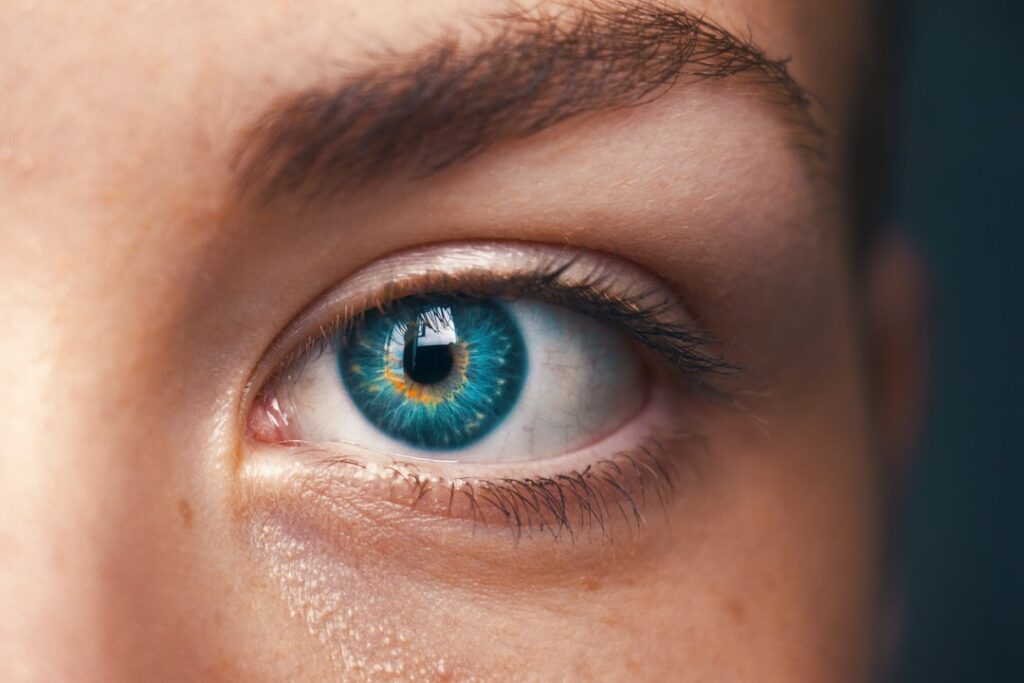
Can You Improve Your Vision Naturally Without Glasses or Contacts?
Eating well and practicing good habits can help protect your eyesight, but these choices cannot reverse nearsightedness, farsightedness, or astigmatism. Many people hope that eye exercises, certain foods, or popular supplements might restore their eyesight to 20/20, but that is not supported by scientific evidence. Vision problems due to the shape of the eye or changes inside the eye generally require corrective lenses if clear sight is needed.
Many area residents wonder if carrots or blueberries will make their vision sharper. While vitamin A (found in carrots) and antioxidants do support overall eye health—something helpful for long-term vision—they can’t fix the underlying causes of needing glasses. Eye exercises, like rolling your eyes or focusing on distant objects, may reduce eye fatigue from too much screen time but won’t alter the need for prescription eyewear.
Do Screens and Blue Light Damage Eyesight Permanently?
Digital screens can strain your eyes, but they don’t cause permanent damage. Modern life involves frequent use of phones, tablets, computers, and televisions. Many people in the area notice tired, dry, or irritated eyes after long days at work or while studying. This is called digital eye strain or computer vision syndrome.
Dryness, blurred vision, and headaches are common symptoms, but these usually go away with breaks and proper screen habits. Blue light from screens does not damage retinal cells at typical exposure levels. Using devices late at night can disturb sleep cycles, so screen time management is still a good idea—especially for students or shift workers.
A simple tip is the 20-20-20 rule: for every 20 minutes looking at a screen, spend 20 seconds looking at something at least 20 feet away. This encourages blinking and allows eyes to rest.
Is Vision Loss Always a Normal Part of Aging?
Not all changes in eyesight are just “getting older,” and some can signal treatable or preventable conditions. It’s common for people over 40 to notice that reading up close isn’t as easy as before (presbyopia). However, sudden changes, loss of peripheral vision, flashing lights, or new floaters deserve attention.
Some people think that developing cataracts or glaucoma is inevitable. While cataracts are more likely as we age, treatments can restore clear vision. Glaucoma and macular degeneration risk do increase over time, but early detection can often limit their impact. Local residents sometimes overlook eye exams if their sight seems “good enough,” missing the chance to spot subtle issues.
Key warning signs to never ignore:
- Sudden vision loss or grey shadows in part of your field of vision
- New flashes of light or a dramatic increase in floaters
- Persistent eye pain or redness
These can be urgent and should be promptly evaluated.
Are Sunglasses Only Necessary in the Summer or When It's Sunny?
Even those living in places with frequent clouds can face UV exposure that can build up over time. Sunglasses protect eyes from ultraviolet rays, helping to reduce the risk of cataracts and growths on the eye surface. UV protection matters year-round, not just in July and August.
Glare from snow, sand, or water can also increase exposure, which isn’t always obvious. Winter sun in open locations or reflective surfaces can be just as challenging. For children and teens playing outside, sunglasses with 100% UV protection are wise even on chilly, cloudy days.
Is Redness Always Due to Allergies or Not Enough Sleep?

While sleep and allergies can make eyes look red, there are many other causes—including some that should not be ignored. Infection (like viral or bacterial conjunctivitis), inflammation, or even minor injury can all cause red eyes. In Racine, allergy seasons may trigger more irritation in spring and fall, but persistent redness could indicate other problems.
Residents sometimes try to relieve red eyes with over-the-counter “get the red out” drops, but these can worsen the problem if overused. If redness is accompanied by pain, vision changes, or sensitivity to light, it’s best to seek guidance through a family doctor, vision screening program, or community clinic.
Can Children Outgrow “Lazy Eye” or Crossed Eyes Without Treatment?
Early childhood is an important window for vision development. Amblyopia (sometimes called “lazy eye”) and strabismus (misalignment of the eyes) don’t usually resolve with age alone. These conditions are sometimes missed, since young children may not realize their vision is uneven or have difficulty describing what they see.
Area schools and pediatricians may offer routine vision screenings, but parents and caregivers should look for signs like:
- One eye drifting or not lining up with the other
- Squinting, tilting the head, or difficulties with depth perception
- Complaints about double vision
Effective treatments—from corrective lenses to patching or eye exercises—work best when started early. Delays can reduce the chances of long-term improvement.
Will Sitting Too Close to the Television Harm Eyes?
No evidence shows that sitting close to a screen or television will damage eyesight, although it may cause temporary discomfort or strain. Children often sit close to the TV simply because they have good focusing ability or want to immerse themselves in what they’re watching. However, wanting to sit very close may sometimes be a sign a child needs vision correction.
For area households, keeping screens at a comfortable distance can help reduce fatigue. Watching for behavioral signs (like frequent squinting or moving closer to the screen) helps determine if a vision screening or check-up could be useful.