

 See My Latest Article on HelloNation
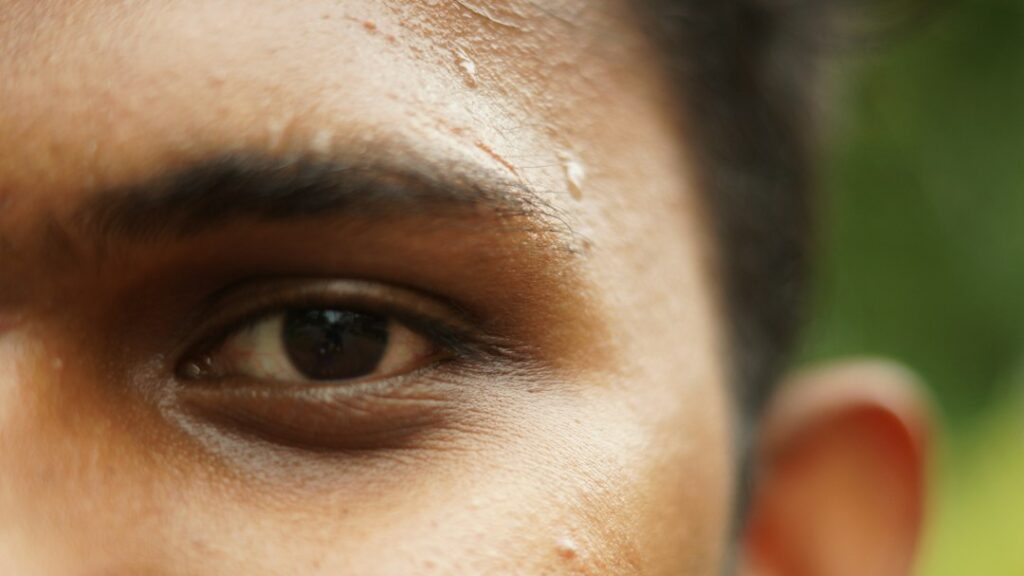
Eye allergies are an immune-system reaction that causes inflammation of the thin tissue covering the white part of the eye and the inner eyelids. They commonly produce itching, redness, watering, and swelling, especially during pollen season or after exposure to dust, mold, animal dander, or other airborne irritants.
For residents of Racine, WI, symptoms may become more noticeable during spring and summer when outdoor pollen levels rise. Indoor triggers can also matter during colder months, when windows stay closed and homes are heated.
What are eye allergies?
Eye allergies, also called allergic conjunctivitis, occur when the eyes react to a substance that the immune system mistakenly treats as harmful. The body releases chemicals such as histamine, which cause blood vessels in the eye to expand and surrounding tissues to become irritated.
Eye allergies may be:
- Seasonal, often related to tree, grass, or weed pollen.
- Perennial, caused by year-round exposure to dust mites, mold, or animal dander.
- Contact-related, triggered by cosmetics, skin products, contact lens solutions, or other substances touching the eye.
- Irritant-related, in which smoke, strong odors, wind, or chemical fumes cause symptoms without a true allergy.
Allergic conjunctivitis is not contagious. It differs from infectious pink eye, which may be caused by viruses or bacteria and can spread from person to person.
What symptoms do eye allergies cause?
The most recognizable symptom is itching. A strong urge to rub the eyes is more typical of allergies than of many other causes of red eyes.
Other common symptoms include:
- Redness in the whites of the eyes
- Clear, watery tearing
- Puffy eyelids
- Burning or a gritty feeling
- Stringy or clear mucus
- Sensitivity to wind, light, or outdoor air
- Allergy symptoms such as sneezing, nasal congestion, or an itchy throat
Allergy symptoms often affect both eyes. They may appear soon after exposure to a trigger and improve when the person moves away from it. Symptoms that involve thick discharge, significant pain, or a major change in vision deserve a different level of attention.
How can eye allergies be distinguished from pink eye?
Itching and watery discharge usually suggest an allergic cause, while infectious conjunctivitis may cause more persistent redness and discharge. Viral pink eye can begin in one eye and spread to the other, and it may occur with a recent cold or respiratory illness.
The distinction is not always obvious. Dry eye, eyelid inflammation, corneal irritation, and contact lens complications can also cause redness or burning. Antibiotic eye drops do not treat allergies, and using leftover medication can delay the correct diagnosis.
An eye examination may be needed when symptoms are severe, recurrent, one-sided, or not improving with basic measures.
What can be done at home?
The first step is reducing exposure to the suspected trigger. Useful measures include:
- Keep windows closed during days when outdoor pollen is high.
- Use air conditioning or filtration when practical.
- Wash hands and face after spending time outdoors.
- Change clothing after gardening, yard work, or prolonged outdoor activity.
- Shower before bed if pollen is suspected.
- Wash bedding regularly and reduce dust accumulation.
- Avoid rubbing the eyes, which can worsen inflammation and irritate the cornea.
- Apply a clean, cool compress over closed eyelids for several minutes.
- Use preservative-free artificial tears to rinse allergens from the eye and relieve dryness.
Local weather changes, windy days, and time spent around lawns, trees, gardens, or unfiltered indoor air can all influence symptoms. Keeping a simple record of when symptoms occur may help identify patterns.
Which eye drops help?
Several types of eye drops may help, but they do not all work in the same way.
Artificial tears dilute and wash away allergens. They are especially useful for mild irritation and can usually be used several times a day as directed on the label.

Antihistamine eye drops block the effects of histamine and may reduce itching, redness, and watering. Some products also stabilize mast cells, which can help prevent the release of inflammatory chemicals.
Combination allergy drops may treat both immediate symptoms and the underlying tendency toward repeated reactions. They are often used during predictable allergy seasons or before expected exposure.
Redness-relieving drops that mainly constrict blood vessels can make eyes appear whiter temporarily, but frequent use may lead to rebound redness or continued irritation. They are not a good long-term strategy for recurring allergies.
People who wear contact lenses should remove them when symptoms begin and follow the instructions for cleaning, replacement, and re-use. Some eye drops are not compatible with contact lenses, so label directions matter.
Can allergy pills help the eyes?
Oral antihistamines may improve eye symptoms when nasal allergies occur at the same time. However, some can increase dryness of the eyes and mouth, cause drowsiness, or interact with other medicines. A nasal allergy treatment may also reduce eye symptoms in some people, particularly when congestion and sneezing are prominent.
The best choice depends on age, other health conditions, pregnancy or breastfeeding status, current medications, and whether dry eye is also present. Pharmacists, primary care clinicians, eye-care professionals, or allergy specialists can help determine which options are appropriate.
When are prescription treatments used?
Prescription treatment may be considered when symptoms are frequent, interfere with sleep or daily activities, or do not respond adequately to trigger avoidance and nonprescription drops.
An eye-care professional may prescribe stronger antihistamine or mast-cell-stabilizing drops. In more persistent cases, a short course of a corticosteroid eye drop may be used under close supervision. Steroid drops can reduce inflammation effectively, but they should not be started without appropriate examination and monitoring because they can raise eye pressure, worsen certain infections, or contribute to other eye problems.
People with severe or recurring allergies may also benefit from evaluation for asthma, eczema, allergic nasal disease, or specific environmental triggers. Allergy testing and immunotherapy may be considered in selected cases.
Why should eye rubbing be avoided?
Rubbing can provide brief relief but often increases inflammation. It may also transfer allergens, irritants, or germs to the eye. Repeated forceful rubbing is particularly concerning in children and in people with longstanding allergies because it may contribute to corneal weakening and changes in vision.
A cool compress, artificial tears, and appropriate allergy medication are safer ways to manage the urge to rub.
When should red or itchy eyes be examined promptly?
Seek prompt medical evaluation for:
- Moderate or severe eye pain
- Blurred vision that does not clear with blinking
- Strong sensitivity to light
- A sensation that something is stuck in the eye
- Thick yellow or green discharge
- Symptoms in only one eye that are worsening
- Recent eye injury or chemical exposure
- Redness while wearing contact lenses
- Swelling that affects the ability to open the eye
- Symptoms that persist despite reasonable home care
A chemical splash requires immediate flushing with clean water for at least several minutes while arranging urgent medical guidance. Redness accompanied by vision loss, severe pain, nausea, or halos around lights should be treated as an emergency rather than assumed to be an allergy.