

 See My Latest Article on HelloNation
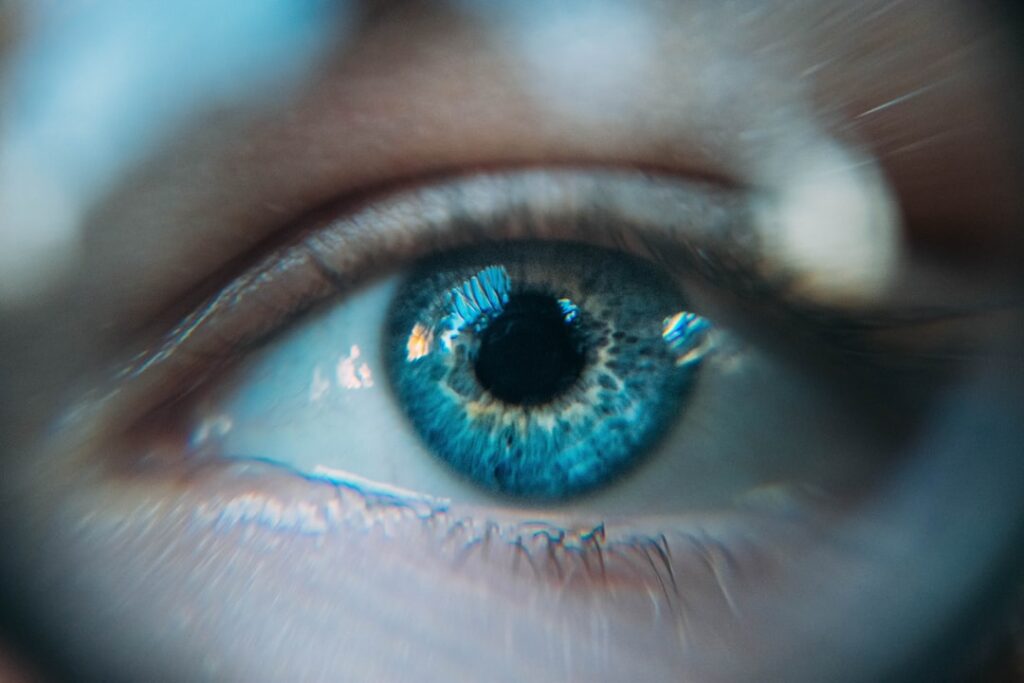
Can Diabetes Affect Your Eyesight?
Yes, diabetes can affect eyesight. Over time, high blood sugar levels linked to diabetes can lead to changes in the eyes that threaten vision, sometimes before any symptoms appear. For residents of Racine, WI—where seasonal road conditions and fluctuating winter light can already strain the eyes—being aware of how diabetes impacts vision can help prevent serious and sometimes irreversible vision issues.
What Eye Conditions Are Caused by Diabetes?
Diabetes can cause several eye diseases:
- Diabetic Retinopathy: The most common and serious issue, this condition damages the blood vessels at the back of the eye (retina). Early stages may not cause noticeable changes, but it can progress to vision loss if not monitored.
- Diabetic Macular Edema: Swelling in the macula, the part of the retina responsible for sharp central vision, can blur sight or create blind spots.
- Cataracts: People with diabetes tend to develop cataracts (clouding of the lens) at a younger age, which can make driving during overcast or snowy Racine days even more challenging.
- Glaucoma: Diabetes doubles the risk for glaucoma, a disease that damages the optic nerve and can cause gradual vision loss. Raised eye pressure is a contributing factor, which is more common among people with diabetes.
How Does High Blood Sugar Damage Eyes?
Sustained high blood sugar harms blood vessels throughout the body, including in the eyes. Fluctuations in blood sugar can cause the lens inside the eye to swell, leading to temporary blurred vision. Over time, fragile retinal vessels may leak fluid or bleed, and new, weaker vessels may form. These blood vessel changes are often painless and can go unnoticed until retinopathy progresses.
In Racine, weather extremes and commuting can place extra demands on vision—making it vital for local residents managing diabetes to stay alert to any sight changes.
What Warning Signs Should You Watch For?
While some diabetes-related eye changes develop with no warning, prompt attention to new symptoms is crucial. Common red flags include:
- Blurry or fluctuating vision that doesn’t improve with rest
- Dark spots, floaters, or ‘cobwebs’ in your field of vision
- Partial or total vision loss, particularly on one side
- Difficulty seeing at night or in dim light
In community settings like Racine, these symptoms can interfere with work, school, or safely navigating public areas—especially in the darker winter months.
Do All People With Diabetes Develop Eye Problems?
Not everyone with diabetes will develop serious vision complications, but the risk increases with:
- Duration of diabetes (the longer you have the condition, the greater the risk)
- Poor blood sugar control over time
- High blood pressure or cholesterol
- Smoking

Local families who have lived with diabetes for many years or have multiple health challenges may face higher risks and benefit from extra vigilance.
How Can Regular Eye Exams Help?
Routine, comprehensive eye exams—including dilation—are the primary defense against diabetic eye disease. These exams allow detection of early changes, often before symptoms are present. In places like Racine, where seasonal changes may naturally affect vision (such as glare from snow or lower winter light), a baseline eye exam can help distinguish diabetes-related changes from ordinary seasonal effects.
Many community members find that annual exams provide reassurance—or allow for early intervention if a problem is found, reducing the chance of lasting damage.
What Can Residents Do to Protect Their Eyesight?
Diabetes-related eye complications aren’t always inevitable. Maintaining eye health involves several practical steps:
- Monitor blood sugar levels consistently, aiming for targets set by your healthcare team.
- Manage cholesterol and blood pressure, which also affect small blood vessels.
- Quit smoking, as it compounds vascular damage.
- Wear sunglasses during bright winter days to reduce glare and eye strain.
- Seek local resources or support groups for managing health routines, especially during times of seasonal stress or change.
For people living in the city, these habits support clear, reliable vision through year-round activities—whether shoveling driveways, shopping at local stores, or enjoying parks and lakefront views.
Are There Common Misconceptions About Diabetes and Eyesight?
Some believe that changes in vision are always sudden or dramatic if caused by diabetes. In reality, symptoms often develop slowly, and significant damage may occur before noticeable changes appear. Another common misunderstanding is that vision loss from diabetes is inevitable. With early detection and consistent management, most residents can preserve functional vision for many years.
Where Can Local Residents Find More Support?
Support is available through a variety of public health initiatives, educational programs, and patient networks. These resources assist area households with adapting daily routines and understanding the link between overall diabetes management and healthy eyes. While specific organizations are not listed here, city health departments and community centers often distribute up-to-date educational materials to residents seeking to preserve their eyesight and independence.