

 See My Latest Article on HelloNation
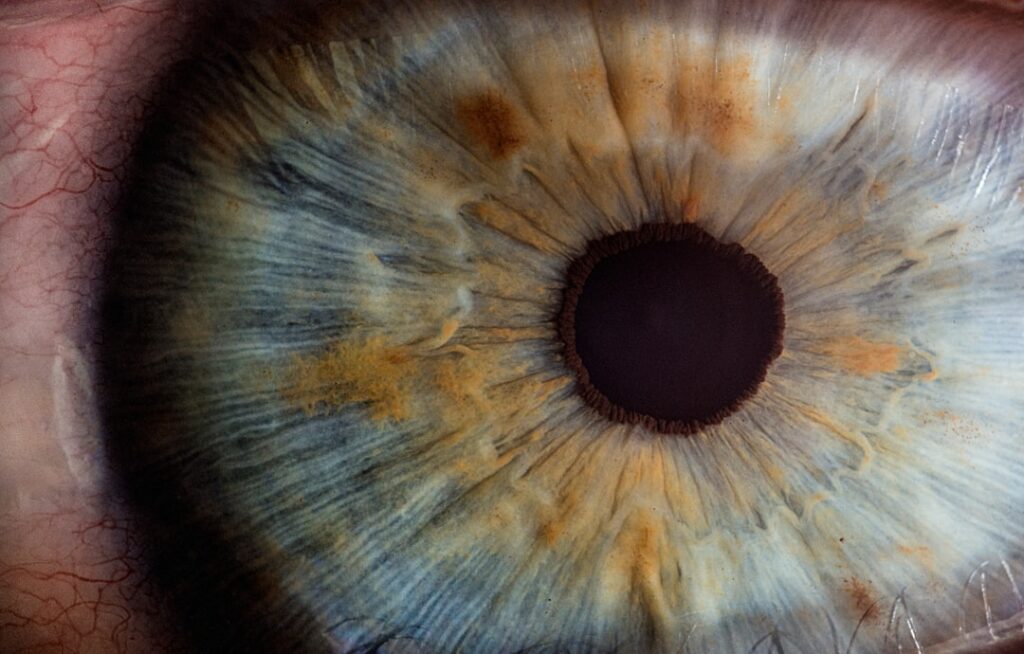
What Does Blurry Vision Really Mean?
Blurry vision is any loss of sharpness in sight where objects appear out of focus or hazy. Residents of Racine, WI may experience this symptom for a variety of reasons, ranging from simple eye fatigue to underlying health conditions.
Even occasional blurring should not be ignored, especially if it develops suddenly. Understanding common causes and available solutions helps area households decide when self-care is sufficient and when professional evaluation might be necessary.
Why Do Eyes Get Blurry?
There are multiple reasons eyesight can become unclear. In the city, frequent causes include:
- Refractive errors: The most frequent reason is when the eye cannot properly focus light, often due to nearsightedness, farsightedness, or astigmatism. These create distortion or fuzziness in everyday tasks, whether reading inside during Wisconsin winters or driving along area roads.
- Dryness and allergies: Heating systems and seasonal allergens in Racine can make the eyes irritated and dry, especially in colder months, sometimes leading to a gritty feeling and transient blurring.
- Fatigue or prolonged screen time: Many working adults in the area report eye strain from digital screens, reading, or detailed close work, which can temporarily blur vision.
- Aging changes: Local residents often notice difficulty focusing on close objects after age 40, a natural shift called presbyopia.
- Eye infections: Symptoms such as redness or discharge alongside blurriness may signal conjunctivitis (pink eye) or another infection, which sometimes circulates in schools or crowded public areas.
- Cataracts: Older adults in the community may notice gradual clouding, glare, or trouble with night driving as the clear lens inside the eye becomes opaque.
- Health issues: Sometimes, blurry vision is an early sign of conditions like diabetes or high blood pressure, both of which are present in some Racine households.
- Acute emergencies: Sudden severe blurred vision—especially if linked with pain, loss of part of the field of view, or flashing lights—can signal a retinal detachment or stroke. These cases require urgent medical attention.
What Daily Habits Lead to Blurry Vision?
Daily routines and local factors contribute more than many realize. For example, winter dryness from indoor heaters or irritants blowing through windows can dry the eyes and blur sight temporarily. Wearing outdated glasses or contact lenses, or reading in dim light during long evenings, may worsen focus difficulties.
Screen time is another common culprit. Residents who spend many hours working from home, gaming, or watching TV may find their eyes get tired and unfocused after long sessions without breaks.
Is Blurry Vision Ever Temporary?
Blurry vision that comes and goes is often tied to:
- Allergies or pollen exposure when spending time outdoors in local parks or gardens.
- Tiredness or difficulty focusing after extended driving on regional highways or during long study sessions.
- Dry indoor air during winter, making it harder to maintain natural eye moisture.
Temporary blurriness typically improves with rest, blinking, using lubricating eye drops, or adjusting lighting and posture.
What Are Some Common Misconceptions?
Many believe that only older adults experience declining vision, but younger people may also be affected by excessive screen use, allergies, or even unrecognized need for corrective lenses.
It's also common to assume that vision problems always progress slowly. In reality, certain conditions—such as retinal detachment or sudden angle-closure glaucoma—require emergency attention due to a risk of permanent vision loss.
Some residents mistakenly try to “tough out” recurring blurriness or self-diagnose with over-the-counter readers. However, only a thorough examination can uncover the exact cause.
What Steps Help Relieve or Prevent Blurry Vision?
Most residents can take steps to maintain clearer sight day to day:

- Rest your eyes regularly: Use the 20-20-20 rule: every 20 minutes, look at something 20 feet away for at least 20 seconds.
- Keep eyes lubricated: Use preservative-free artificial tears, especially during dry winter days or allergy season.
- Update vision correction: Regularly check that glasses or contact lenses match your current prescription. Wearing outdated prescriptions is one of the most overlooked sources of persistent blurriness.
- Adjust environment: Use humidifiers during dry months, and ensure digital screens are at or just below eye level.
- Limit direct exposure: Protect eyes from dust, wind, and particulate matter, especially when gardening or spending time on the lakefront.
- Maintain overall health: Stable blood sugar and blood pressure can have a measurable effect on long-term eye health.
When Should Residents Seek Urgent Help?
Immediate evaluation is warranted if:
- Blurry vision is sudden and severe
- It is accompanied by pain, redness, or discharge
- There is loss of vision in part or all of one eye
- Flashes of light or large floaters appear unexpectedly
These scenarios can indicate serious conditions that threaten permanent vision loss. Sudden changes after trauma, such as a blow to the eye or head, also require prompt assessment.
How Does Local Environment Affect Eye Comfort in Racine?
With a climate that shifts rapidly between humid summers and dry winters, and the prevalence of seasonal allergens, residents are uniquely challenged by environmental factors. Indoor heating and outdoor recreational activities can trigger or worsen dry eye symptoms. Understanding and adapting to these patterns—by adjusting indoor humidity or protecting eyes outdoors—can make a noticeable difference in day-to-day comfort.
Can Lifestyle Changes Improve Clarity?
Simple adjustments—ranging from using quality sunglasses during sunny months, to seeking regular comprehensive eye exams appropriate for age and health status—can help maintain healthy, clear vision. Eating a balanced diet rich in leafy greens, orange vegetables, and omega-3 fatty acids also supports long-term eye health for area families.