

 See My Latest Article on HelloNation
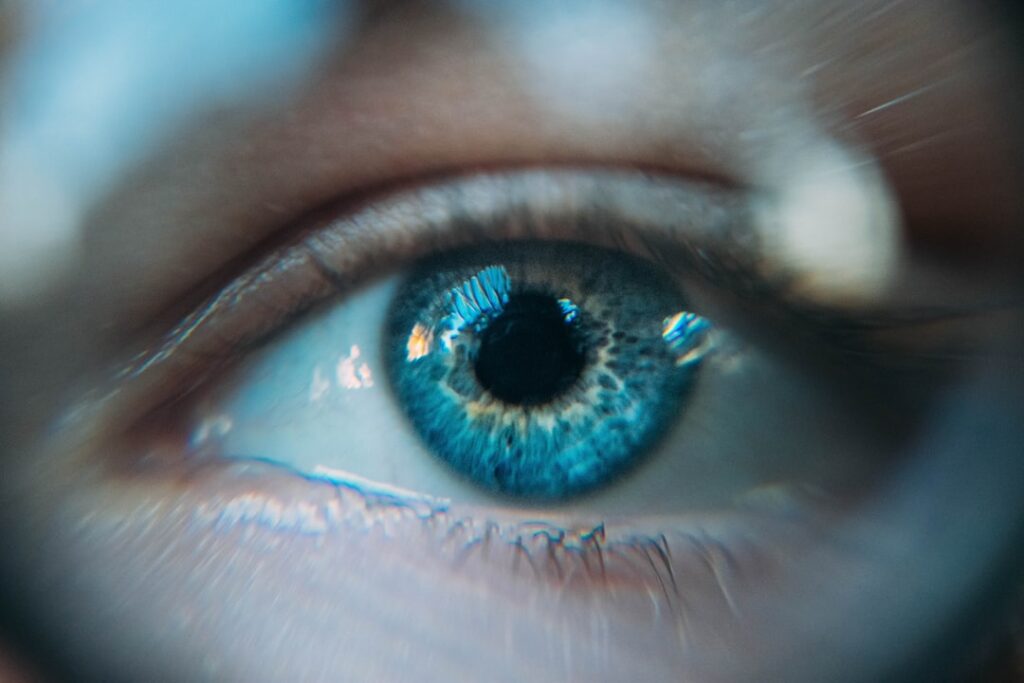
What Are the Most Concerning Eye Symptoms?
Certain eye symptoms signal more serious problems that shouldn’t be ignored—especially in the community, where timely access to care and local climate may factor into eye health. Severe, sudden, or unusual changes to your vision or eyes always warrant immediate medical attention, as some causes can threaten vision or indicate broader health problems.
Common examples of symptoms that need prompt evaluation include:
- Sudden vision loss or drastic change in sight
- New floaters, flashes of light, or shadows
- Severe, persistent eye pain or headache
- Redness with reduced vision, nausea, or vomiting
- Eye injury, chemical contact, or foreign object in the eye
- Double vision with or without eyelid drooping
In these cases, delaying care can result in permanent vision changes or complications.
Why Is Sudden Vision Loss an Emergency?
A sudden loss of vision—whether complete or partial, in one or both eyes—often signals a medical emergency. While sometimes painless, this symptom may indicate a retinal detachment, blocked blood vessel, stroke, or inflammation.
In Racine, residents often spend time outdoors and may not immediately notice mild-to-moderate vision changes until routine activities like driving, biking along the Lakeshore, or reading become difficult. It’s important to know that quick changes are rarely due to eye strain or minor irritation, and should never be dismissed.
Examples of sudden vision loss include:
- Black spots or a curtain descending across your field of view
- Loss of peripheral vision (side vision)
- Blurry or dim vision appearing out of nowhere
These changes rarely resolve without timely medical action.
When Should You Worry About Flashes, Floaters, or Shadows?
Seeing new floaters (dark specks or cobweb shapes), flashes of light, or a shadow in your field of vision may indicate a torn retina or retinal detachment. Although floaters are common with aging, sudden appearance—especially accompanied by flashes or loss of vision—requires urgent evaluation.
Residents in this area may experience floaters after sudden jarring, heavy lifting, or even seasonal allergies leading to eye rubbing. If symptoms come on quickly or worsen, particularly within hours or days, urgent assessment is necessary to prevent vision loss.
How Serious Is Eye Pain or Severe Redness?
Eye pain that is moderate to severe, persistent, or associated with other symptoms like headache, light sensitivity, or vision changes can indicate:
- Acute glaucoma (elevated eye pressure)
- Infection or inflammation inside the eye (uveitis)
- Corneal abrasion or ulcer
In Racine, factors like wind, allergens, and winter dryness can make mild irritation common. However, true pain—sharp, aching, or associated with nausea—should never be ignored, as some forms of intraocular inflammation require prompt treatment to prevent lasting harm.
What Should You Do About Eye Injuries and Chemical Exposures?
Any trauma to the eye—whether from yard work debris, sports, or household chemicals—calls for immediate rinsing with clean water and urgent evaluation. Punctures, cuts, striking injuries, or foreign objects (especially metal or glass) increase infection risk or can cause internal damage.

Winter brings increased risks due to icy conditions and home repairs in the city, while windy days send airborne grit towards unprotected eyes. Chemical splashes, particularly from cleaning agents or automotive fluids, require thorough rinsing with running water for at least 15 minutes before evaluation by a professional.
Do not try to remove embedded objects or patch the eye tightly—these actions may worsen injury.
Are Double Vision and Eye Movement Changes Reasons for Emergency Care?
Sudden double vision (seeing two images where there should be one) can result from nerve or muscle problems in the eye, infections, or neurological issues. If this happens suddenly, or alongside drooping eyelid, difficulty speaking, numbness, or weakness, it may be linked to a neurological emergency like a stroke.
These symptoms should be distinguished from minor fatigue, which sometimes causes brief vision doubling after prolonged use of screens or reading. If double vision persists when one eye is closed or comes with other symptoms, immediate medical assessment is safest.
What Other Symptoms Should Not Be Ignored?
Some eye symptoms may not seem urgent, but paired with certain conditions or after specific incidents, they are more serious:
- Persistent halos around lights, especially in the winter or at night
- Bulging or protrusion of the eye
- New sensitivity to light with red, teary eyes
- Sudden pupil changes or unequal pupil sizes
- Eye swelling with fever or feeling unwell
Local residents managing diabetes, high blood pressure, or autoimmune conditions should remain alert, as these increase the risk of vision-threatening problems.
What Are Common Misconceptions About Urgent Eye Symptoms?
Many believe symptoms will subside on their own or that discomfort is always minor—both misconceptions can have long-term consequences. For example, not all eye pain is caused by dry air and not every floater is harmless. Prompt attention, especially after injuries or when vision changes rapidly, can make the difference between full recovery and lasting loss.
Racine’s fluctuating weather means everyone is familiar with occasional dryness or seasonal allergies, but the above symptoms fall outside of what is usual or safely manageable at home.
How Do Local Factors Influence Eye Health Risks?
In the area, outdoor activities, active winter conditions, and changes in daylight throughout the year can increase exposure to eye injuries and highlight the importance of regular monitoring. Salt or sand on icy sidewalks, flying yard debris, and sunlight reflected from snow all increase risk for injury or sudden symptom onset.
Being alert to changes and understanding which symptoms demand swift action helps protect eye health and maintain independence for everyone in the community.