

 See My Latest Article on HelloNation
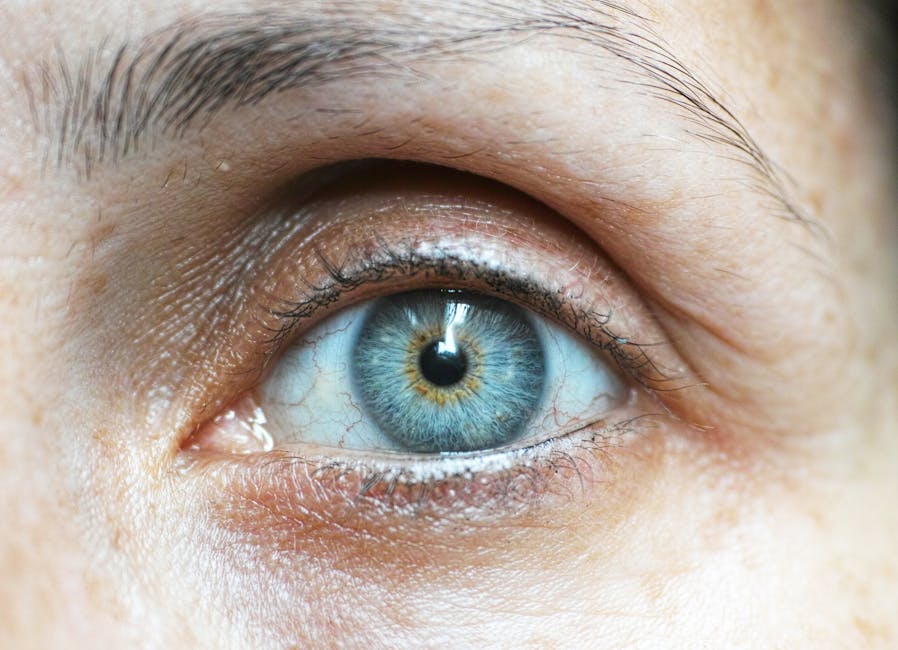
What Causes Dry Eyes in Racine, WI?
Dry eye symptoms often arise due to a combination of local climate, indoor environments, and daily activities in Racine, WI. The condition happens when your eyes don’t produce enough tears or when tears evaporate too quickly, leading to dryness, irritation, and visual discomfort.
In Racine, area climate plays a role. Cold winters with dry air, summer use of air conditioning, and windy conditions along the lakefront can all contribute. Indoor heating and prolonged screen use—common during colder months—worsen symptoms for many local residents. Allergies, certain medications, and overall eye health can also influence how often dry eye symptoms appear.
How Can Residents of Racine Manage Dry Eyes Naturally at Home?
Simple lifestyle adjustments often help many people in Racine relieve mild dry eye symptoms without medication. These strategies use what’s readily available to households and require no specialized products.
Manage Indoor Air:
Maintaining humidity is key during the heating season and in air-conditioned spaces.
- Try keeping a humidifier running in main living areas, especially in winter when indoor air is driest.
- Avoid placing fans or space heaters directly in line with your face, as airflow speeds up tear evaporation.
Protect Eyes from Wind and Weather:
Outdoor conditions in the city, especially during colder, windier months or breezy days along the lake, can dry out eyes quickly.
- Wear wraparound sunglasses or glasses with side shields if you’ll be exposed to wind.
- In cold weather, covering your eyes loosely with a scarf can also help block air currents.
Blink Often and Give Eyes a Break:
Screens dry out your eyes faster, especially when staring without blinking enough.
- Follow the 20-20-20 rule: every 20 minutes, look at something 20 feet away for at least 20 seconds.
- Make conscious effort to blink fully and regularly during screen time or reading.
Can Diet and Hydration Make a Difference for Dry Eyes?
Yes, what you eat and drink impacts tear production and eye comfort. Many Racine households can make small adjustments with food choices already found in local stores.
Stay Well Hydrated:
Dehydration is a common cause of worsened dry eyes.
- Drink water throughout the day, aiming for clear or pale yellow urine.
Consider Omega-3 Fatty Acids:
Evidence suggests omega-3s support eye lubrication and may lessen symptoms.
- Foods like salmon, sardines, flaxseed, walnuts, and chia seeds are good options.
Eat a Colorful Variety:
Antioxidant-rich fruits and vegetables (such as carrots, spinach, sweet potatoes, and berries) help overall eye health and tear quality.
Are Warm Compresses Helpful for Dry Eyes?
Yes, regular warm compresses soothe scratchiness and help improve the function of oil glands along the eyelids (meibomian glands), which is particularly helpful in dealing with evaporative dry eye seen in Racine's changing weather.
- Use a clean, soft washcloth soaked in warm (not hot) water.
- Place it over closed eyelids for 5-10 minutes, once or twice daily.
- This helps unclog glands and promotes better tear film stability.
Don’t use anything too hot; comfort is the priority. This remedy is safe and simple for most adults and older children.
Does Allergic Irritation Play a Role in the City?
For many local residents, especially in spring and early autumn, allergy-triggered dry eyes are common. Pollen from trees, grass, or ragweed is prevalent in the area and can lead to itchiness and worsened dryness.
- Keep windows closed on high pollen days and use air filters at home.
- Gently rinse eyelids and face after spending time outdoors.
- Shower before bed and change pillowcases more frequently in the peak allergy seasons.
Avoid rubbing itchy eyes, as this increases irritation and risk of further dryness.
What Are Common Misconceptions About Dry Eye Self-Care?
Some widely held beliefs can actually make matters worse or delay improvement:
- Splashing tap water directly into open eyes provides only fleeting relief and can upset the natural tear balance.
- Overusing redness-relief eye drops can worsen dryness over time.
- Sleeping with fans blowing directly on your face, even on low, is more likely to dry your eyes rather than help you sleep comfortably.
Most natural approaches focus on supporting your body’s natural tear production and minimizing triggers, rather than masking symptoms.
When Should You Consider Medical Guidance?
Self-care is effective for mild, temporary symptoms. However, consult a healthcare provider if dry eye:
- Persists more than a couple weeks despite lifestyle adjustments
- Is accompanied by pain, vision changes, or significant redness
- Is making reading, driving, or screen use difficult
Ignoring ongoing symptoms can lead to complications, especially for those with underlying conditions commonly seen in local adults, such as diabetes or autoimmune disorders.