

 See My Latest Article on HelloNation
Eye makeup can become a source of irritation or infection when germs enter a product, an applicator scratches the eye, or cosmetics are used while the eyelids are already inflamed. For residents of Racine, WI, a few consistent habits—especially during dry winter weather and allergy-heavy seasons—can help protect the eyes.
How does makeup cause an eye infection?
Makeup can carry bacteria, fungi, viruses, or other particles that irritate the eyelids and the eye’s surface. Creamy and liquid products, including mascara, liquid eyeliner, and lash adhesives, can support microbial growth over time. Brushes and applicators can also collect oil, skin flakes, dust, and germs from the hands.
An infection may begin after makeup is shared, used past its recommended period, applied with unwashed hands, or placed near an eye that is already red or irritated. A scratch from a mascara wand or eyeliner pencil can create an opening for germs to enter the cornea.
What should be done before applying eye makeup?
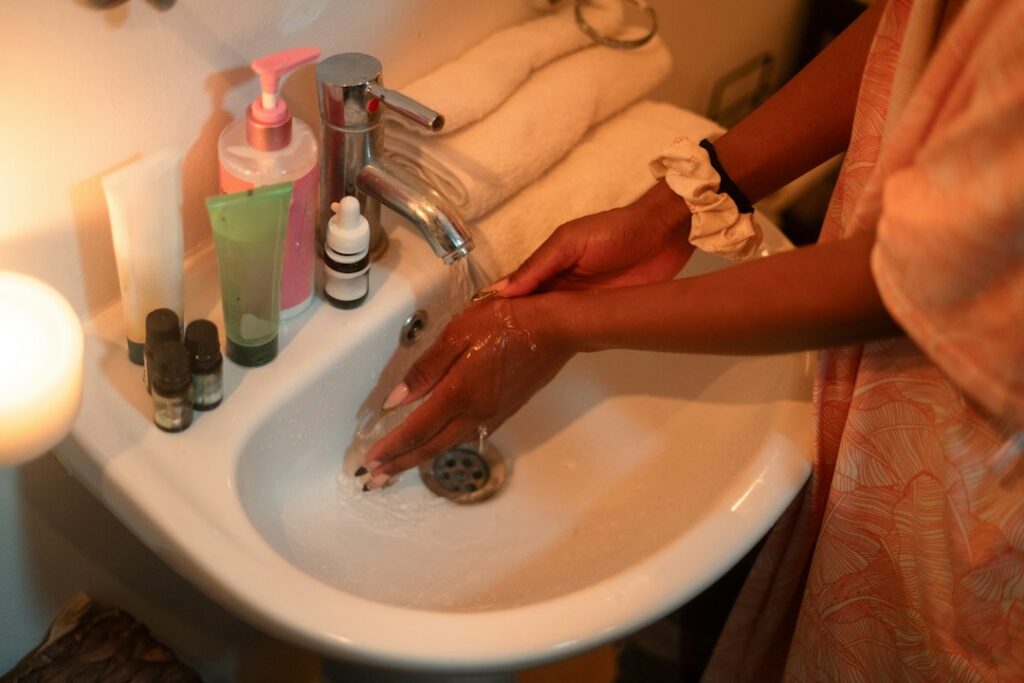
Start with clean hands, a clean face, and clean eyelids. Wash hands with soap and water, then dry them thoroughly before touching cosmetics, contact lenses, or the eye area.
Check the product and its container before use. Do not use eye makeup if it has:
- A changed smell, color, or texture
- Dried out or separated
- Visible dust, debris, or foreign material
- A damaged or loose container
- An applicator that has fallen on the floor or another dirty surface
Apply makeup in a stable location rather than in a moving vehicle. A sudden stop or bump can cause a mascara wand, pencil, or brush to scratch the cornea.
Only use products specifically labeled for the eye area. Lip products, craft glitter, household pigments, and other cosmetics may contain color additives or ingredients that are not suitable for use near the eyes.
How often should mascara and eye makeup be replaced?
Mascara should generally be discarded about three months after purchase, or sooner if it dries out, smells different, or causes irritation. Liquid eyeliner and other moist eye products also deserve frequent replacement because bacteria can multiply more easily in damp formulas.
Powder eyeshadow may last longer than mascara, but it still needs to be kept dry, closed, and clean. Replace it if the surface becomes contaminated or if an eye infection develops while using it.
Writing the purchase date on a product can make replacement easier to remember. Avoid “refreshing” dried mascara with water or saliva. Water can introduce germs and dilute preservatives, while saliva can add bacteria from the mouth.
Warm conditions can also affect products. Do not leave eye makeup in a hot car, near a radiator, or in a steamy bathroom for long periods. Seasonal temperature changes and heated indoor air can make bathroom storage especially hard on cosmetics.
Is it safe to share makeup or use store testers?
No. Eye makeup, brushes, lash curlers, applicators, and eyelash products should not be shared, even among family members or close friends. A person may carry germs without obvious symptoms.
Store testers can also be contaminated by repeated use. The safest option is to avoid applying shared testers directly to the eyes. If sampling is unavoidable, use a new, single-use applicator and never place a used applicator back into the product.
Makeup brushes should be cleaned regularly according to the product’s instructions and allowed to dry completely. A damp brush stored in a closed container can become a favorable environment for microbial growth.
How can contact lens wearers reduce infection risk?
Contact lens wearers need extra care because debris can become trapped between the lens and the eye. Makeup particles may scratch the cornea or contribute to inflammation, and a damaged corneal surface is more vulnerable to infection.
Wash and dry hands before handling lenses. Many people find it practical to insert lenses before applying makeup and remove lenses before removing makeup, unless their eye-care instructions say otherwise. Keep pencils, brushes, glitter, and mascara away from the inner lash line.
Contact lenses should never be exposed to tap water, shower water, swimming water, or saliva. Do not sleep in lenses unless specifically instructed by an eye-care professional. Use only the recommended disinfecting solution, never top off old solution in a case, and replace the case on the schedule provided with the lens-care instructions.
If a lens wearer develops pain, unusual redness, light sensitivity, discharge, or blurred vision, the lenses should be removed promptly and not worn again until the eye has been evaluated or recovery has been confirmed.
What should happen if the eye is red or infected?
Stop using eye makeup when the eye is red, painful, draining, unusually sensitive to light, or affected by suspected conjunctivitis. Cosmetics can worsen irritation and may become contaminated during an infection.

After recovery, discard eye makeup and applicators that were used near the affected eye. This includes mascara, liquid eyeliner, cream products, disposable contact lenses, and any item that may have touched secretions from the eye. Reusing contaminated products can reintroduce germs.
Do not use someone else’s eye drops, and do not let a dropper tip touch the eyelashes, eyelids, or eye surface. Wash pillowcases, towels, and washcloths regularly, particularly if more than one person in the household has eye symptoms.
Are glitter, false eyelashes, and lash adhesives risky?
Glitter and loose shimmer particles can enter the tear film, become trapped under a contact lens, or scratch the cornea. Larger particles are especially irritating. Avoid placing glitter directly along the lash line or inside the eyelid.
False lashes and lash adhesives may cause allergic reactions, eyelid inflammation, or mechanical irritation if a lash bends into the eye. Remove them if there is burning, swelling, persistent itching, or a foreign-body sensation. Avoid trimming or separating clumped lashes with sharp objects.
At-home eyelash or eyebrow tinting can also expose the eyes to chemicals that are not intended for direct contact with the eye. Permanent dyes and unapproved coloring products should not be used around the eyes.
Which symptoms require prompt medical attention?
Mild, brief irritation may improve after removing the product and rinsing the eyelids gently. More concerning symptoms include:
- Moderate or severe eye pain
- New or worsening blurred vision
- Strong sensitivity to light
- Increasing redness
- Thick discharge
- Swelling that affects vision
- A persistent feeling that something is stuck in the eye
- Symptoms that continue after makeup or contact lenses are removed
These signs can indicate a corneal scratch, significant inflammation, or an infection rather than simple cosmetic irritation. Contact lens wearers should treat pain, redness, and vision changes particularly seriously because corneal infections can progress quickly.
IMAGE_ALT:
Person washing hands before applying eye makeup beside clean brushes, mascara, and contact lens supplies.