

 See My Latest Article on HelloNation
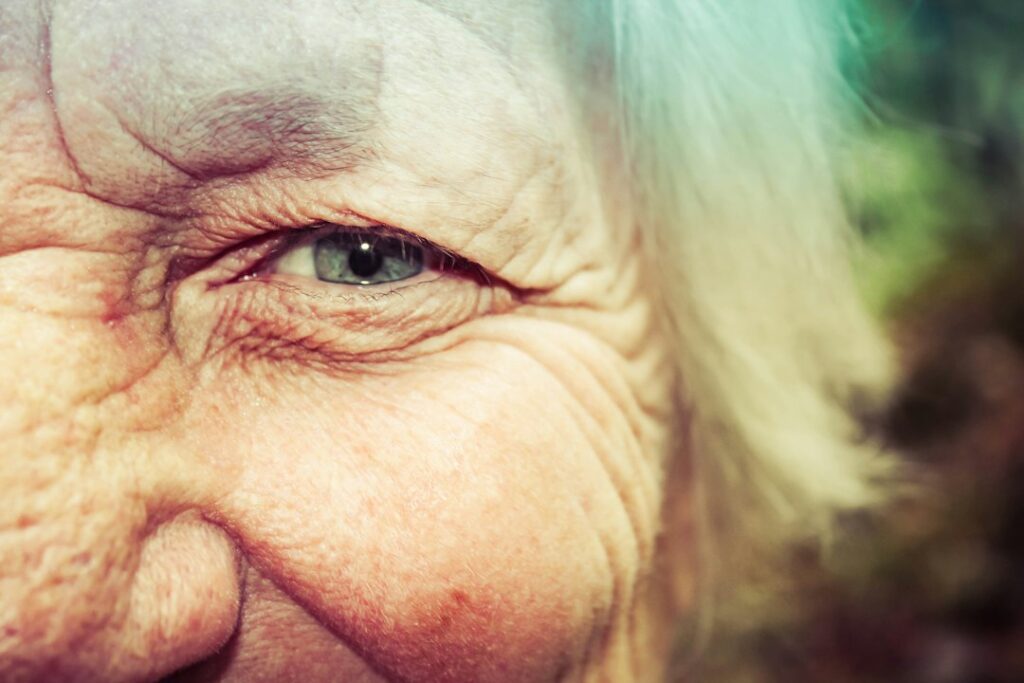
Getting older changes how the eyes focus, handle light, produce tears, and process visual information. Some changes are expected, such as needing reading glasses, but significant vision loss is not an unavoidable part of aging. Many age-related eye diseases develop quietly, which is why routine eye examinations remain useful even when vision seems stable. ([nei.nih.gov](https://www.nei.nih.gov/about/education-and-outreach/vision-and-aging-resources?utm_source=openai))
What vision changes are considered normal with age?
The most common normal change is presbyopia, the gradual loss of close-up focusing ability. It usually becomes noticeable after about age 45, when the eye’s natural lens becomes less flexible. Reading menus, medication labels, phone screens, or sewing instructions may require more distance, brighter light, or reading glasses. ([nei.nih.gov](https://www.nei.nih.gov/eye-health-information/eye-conditions-and-diseases/presbyopia?utm_source=openai))
Other common changes include:
- Needing more light for reading or household tasks
- Taking longer to adjust when moving between bright and dim areas
- Greater sensitivity to glare, including glare from headlights or winter sun
- Difficulty distinguishing certain colors, particularly similar shades
- Reduced ability to see clearly in low light
These changes may be more noticeable during evening driving, walking on poorly lit sidewalks, or moving between a brightly lit room and a darker hallway. In Racine, seasonal glare from snow and low winter sunlight can make existing light sensitivity more apparent.
Normal aging can explain some inconvenience, but it should not explain sudden blurring, missing areas of vision, persistent flashes, or major difficulty navigating familiar spaces.
Which eye diseases become more common as people age?
Age increases the likelihood of several eye conditions, including cataracts, glaucoma, age-related macular degeneration, diabetic retinopathy, and dry eye disease. These conditions affect different parts of the eye and may require different forms of monitoring or treatment. ([nei.nih.gov](https://www.nei.nih.gov/about/education-and-outreach/vision-and-aging-resources/see-well-lifetime-toolkit/module-2-age-related-eye-diseases-and-conditions?utm_source=openai))
Cataracts
A cataract is clouding of the eye’s natural lens. Vision may become hazy, colors may look faded, and lights may produce more glare or halos. Some people notice that night driving becomes difficult or that glasses no longer provide the same clarity.
Cataracts usually develop gradually. They do not always need immediate treatment, and the decision about treatment generally depends on how much vision affects reading, driving, work, hobbies, or independence. Cataract-related vision loss can often be restored with surgery when the condition begins interfering with daily activities. ([nei.nih.gov](https://www.nei.nih.gov/eye-health-information?utm_source=openai))
Glaucoma
Glaucoma damages the optic nerve, often without pain or early warning symptoms. Peripheral vision may gradually narrow, but many people do not recognize the change because the other eye and the brain compensate.
A family history of glaucoma, older age, diabetes, and certain other health factors can increase risk. Regular examinations are particularly valuable because vision already lost from glaucoma generally cannot be restored, while early treatment can help protect remaining vision. ([nei.nih.gov](https://www.nei.nih.gov/eye-health-information?utm_source=openai))
Age-related macular degeneration
Age-related macular degeneration, often called AMD, affects the macula, the central portion of the retina responsible for detailed vision. It can make straight lines appear wavy, cause blank or blurry areas in the center of vision, or make faces and fine print harder to recognize.
AMD does not usually cause complete darkness because side vision may remain, but it can significantly affect reading, driving, and identifying people. New distortion or a sudden change in central vision deserves prompt evaluation.
Diabetic eye disease
Diabetes can damage blood vessels in the retina. Early diabetic retinopathy may produce no symptoms, even while changes are developing. Blood sugar, blood pressure, and cholesterol management can support eye health, but medical control does not replace recommended dilated eye examinations. ([nei.nih.gov](https://www.nei.nih.gov/eye-health-information/healthy-vision/how-eyes-work/keep-your-eyes-healthy?utm_source=openai))
Dry eye
Older adults commonly experience dry, gritty, burning, or fluctuating vision. Dry eye can be related to reduced tear production, faster tear evaporation, eyelid inflammation, medications, medical conditions, or extended screen use.
Cold outdoor air, indoor heating, and wind during Wisconsin winters may aggravate surface irritation. Taking breaks from screens, avoiding direct airflow toward the eyes, and discussing persistent symptoms during an eye examination may help identify the cause.
Why can vision worsen even when the eyes do not hurt?

Many important eye diseases are painless and produce few early symptoms. Glaucoma is a well-known example, but diabetic retinal disease and some forms of macular degeneration can also progress before a person notices a meaningful change.
A comprehensive eye examination may include vision testing, eye-pressure measurement, examination of the retina and optic nerve, and pupil dilation. Dilation allows the back of the eye to be examined more thoroughly. The appropriate testing interval depends on age, medical history, medications, family history, symptoms, and previous findings. The CDC advises regular dilated examinations for many adults over 60 and more frequent monitoring for people with diabetes, high blood pressure, or elevated glaucoma risk. ([cdc.gov](https://www.cdc.gov/vision-health/prevention/taking-care-of-your-eyes.html?utm_source=openai))
What habits help protect aging eyes?
No habit can prevent every age-related eye condition, but several measures support long-term eye health:
- Do not smoke, or seek help to stop smoking.
- Manage diabetes, high blood pressure, and high cholesterol.
- Eat a varied diet that includes leafy greens, colorful vegetables, and fish.
- Wear sunglasses that block ultraviolet light and use a brimmed hat in bright conditions.
- Use adequate lighting for reading, stairs, medication sorting, and kitchen tasks.
- Keep walkways clear and improve contrast around steps to reduce falls.
- Tell the eye surgeon or other eye-care clinician about family histories of glaucoma, AMD, or other eye disease.
- Review medications if dryness, blurred vision, or light sensitivity begins after a medication change.
Healthy habits are especially useful in households where several generations share a family history of diabetes or eye disease.
When is a vision change urgent?
Sudden vision loss, a sudden curtain-like shadow, a large increase in floaters, repeated flashes of light, severe eye pain, marked redness with blurred vision, or new double vision requires urgent medical assessment. These symptoms can occur with retinal detachment, acute glaucoma, stroke, or other conditions in which timing matters.
A gradual need for brighter light is different from a sudden inability to see clearly. Keeping track of when a change began, whether it affects one or both eyes, and whether it is central or peripheral can help clinicians assess the problem efficiently.
Aging may mean more glare, slower focusing, drier eyes, and greater dependence on reading correction. It does not mean that serious vision loss should simply be accepted. Regular examinations and attention to new symptoms help distinguish ordinary changes from conditions that need timely care.