

 See My Latest Article on HelloNation
What Practical Dietary Habits Help Protect Vision?
Adding key foods to meals can provide nutrients that support vision and may reduce risk for certain eye conditions. In Racine, WI, where local diets often reflect Midwestern traditions, modest adjustments can fit well with most family routines. Seasonal produce, everyday pantry staples, and locally available foods all contribute to eye health when chosen thoughtfully.
Some of the most valuable nutrients for vision include vitamin A, vitamin C, vitamin E, zinc, lutein, and omega-3 fatty acids. These nutrients serve different roles, such as maintaining the surface of the eye, reducing oxidative stress, and supporting healthy retinal cells.
Many community members overlook that these nutrients are widely found in foods that fit typical diets:
- Orange vegetables (like carrots and sweet potatoes) provide beta-carotene, which the body converts to vitamin A
- Leafy greens such as spinach and kale are rich in lutein and zeaxanthin, plant compounds that filter harmful light
- Eggs offer both lutein and zinc
- Fatty fish (such as salmon or lake trout) supply omega-3s, important for tear production and retinal function
- Citrus fruits and peppers deliver vitamin C
Building meals around these staples, even just a few times per week, offers ongoing benefits.
Why Are Colorful Fruits and Vegetables Frequently Recommended for Eye Health?
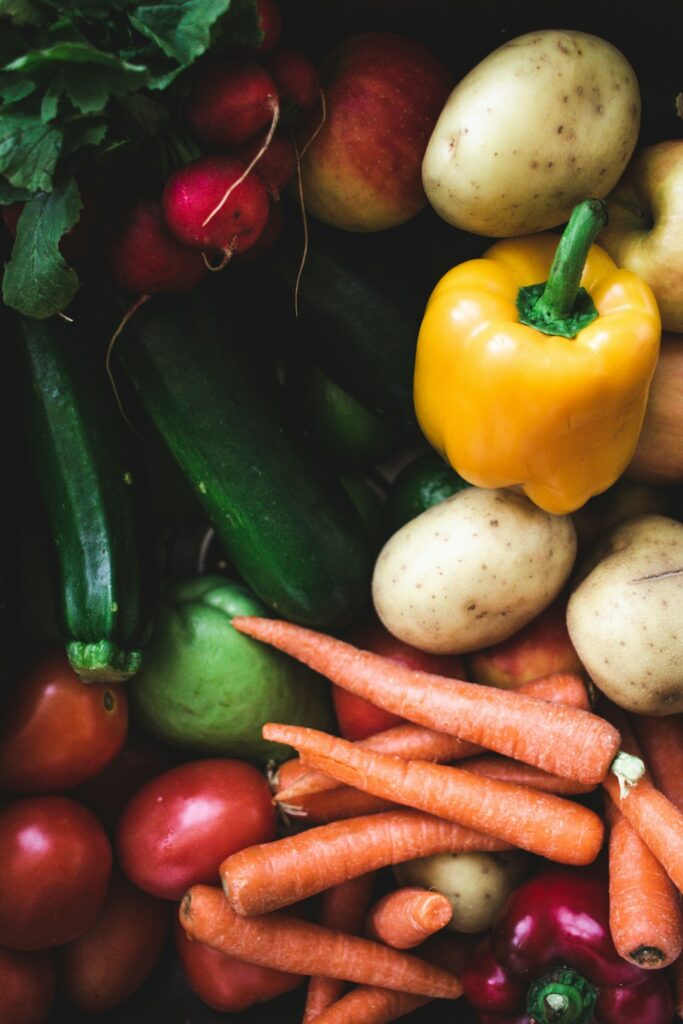
A wide spectrum of colorful produce ensures intake of both classic vitamins and lesser-known phytonutrients that work together for eye protection. These pigments act as antioxidants, which help defend eye tissues against light damage and age-related wear.
Bright greens, deep oranges, reds, and purples all indicate the presence of different nutrients:
- Orange and yellow produce: Beta-carotene for vitamin A (vital for night vision)
- Dark green vegetables: Lutein and zeaxanthin for retinal and lens protection
- Berries: Vitamin C and anthocyanins for vessel strength in the eye
Residents often already buy some of these items at local farmers markets or grocery stores. Experimenting with roasted vegetables, colorful salads, or fruit snacks increases variety without major changes in shopping habits.
How Does Seasonal Eating in Racine Affect Eye-Friendly Nutrition?
The climate in Racine, WI means fresh produce selection varies throughout the year. In spring and summer, local households might have easier access to fresh berries, leafy greens, and early root vegetables. During colder months, canned, frozen, and root-cellar options become practical alternates.
For consistent eye health support throughout all seasons, consider:
- Using frozen spinach, broccoli, or mixed vegetables—these retain key vision nutrients
- Relying on canned or storage-friendly foods like pumpkin or sweet potatoes in winter
- Adding citrus fruits in colder months, when they travel well and stay fresh
- Keeping nuts and seeds on hand for vitamin E and zinc
Rotation among these options helps area residents maintain balance without straining budgets or resorting to out-of-season imports.
Do Supplements Replace Food Sources for Eye Nutrition?
Supplements can fill specific gaps but are not generally a substitute for food-based nutrition unless a medical need exists. Most people in Racine, WI get enough of the key nutrients for eye health with balanced meals. Many overestimate the benefits of high-dose vitamins, which offer little additional protection and may even cause harm if misused.
Ask yourself:
- Is your diet already rich in a variety of colorful produce, whole grains, and proteins?
- Do you have a medical condition or dietary restriction that makes it hard to get specific nutrients?

If the answer is no, focus on food sources first. Supplements may be prudent for individuals with diagnosed deficiencies, unique medical needs, or certain older adults, but for many, everyday foods remain the safer, more effective foundation.
What Are Common Misconceptions About Food and Eye Health?
There are several myths about nutrition and vision:
- Carrots are not the only or best food for eyes; many vegetables provide similar retinal support.
- Eating a healthy diet does not “cure” nearsightedness or astigmatism but may lower the risk of chronic conditions like cataracts or age-related macular degeneration.
- Vitamins in isolation are not as effective as those from whole foods, since absorption and benefit often depend on how nutrients interact within the diet.
By keeping informed and using credible resources, residents can avoid unnecessary restrictions or unhelpful purchases.
Can Simple Changes Benefit Different Ages and Lifestyles?
Small, practical adaptations work for individuals and families. For example:
- Preparing lunchbox vegetables and fruits for schoolchildren helps set lifelong habits
- Older adults can focus on softer, nutrient-rich options like cooked spinach, eggs, or sweet potatoes if chewing is an issue
- Busy workers may use bagged salads, pre-cut vegetables, frozen berries, and canned fish for fast and balanced meals
Drinking enough water and limiting excessive processed foods also matter, since hydration and general nutrition help support ocular health.
How Can Area Residents Balance Enjoyment and Health in Their Diet?
Food choices for eye wellness do not require perfection or drastic change. Many staple meals in Racine—like soups, casseroles, or one-pan dinners—can be modified to include diverse, colorful produce and other eye-friendly ingredients. Swapping ingredients, adding a side of greens, or topping dishes with seeds or brightly colored vegetables is easy and fits with local tastes.
Simple, sustainable adjustments make long-term adherence more realistic and enjoyable for all ages in the community.